
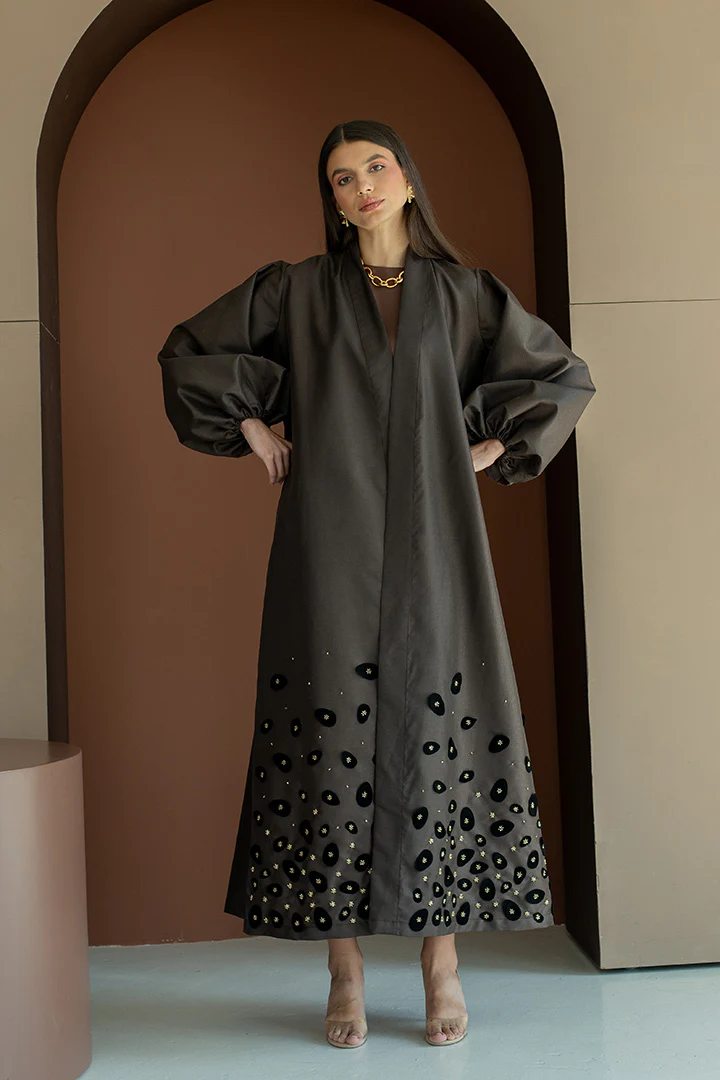
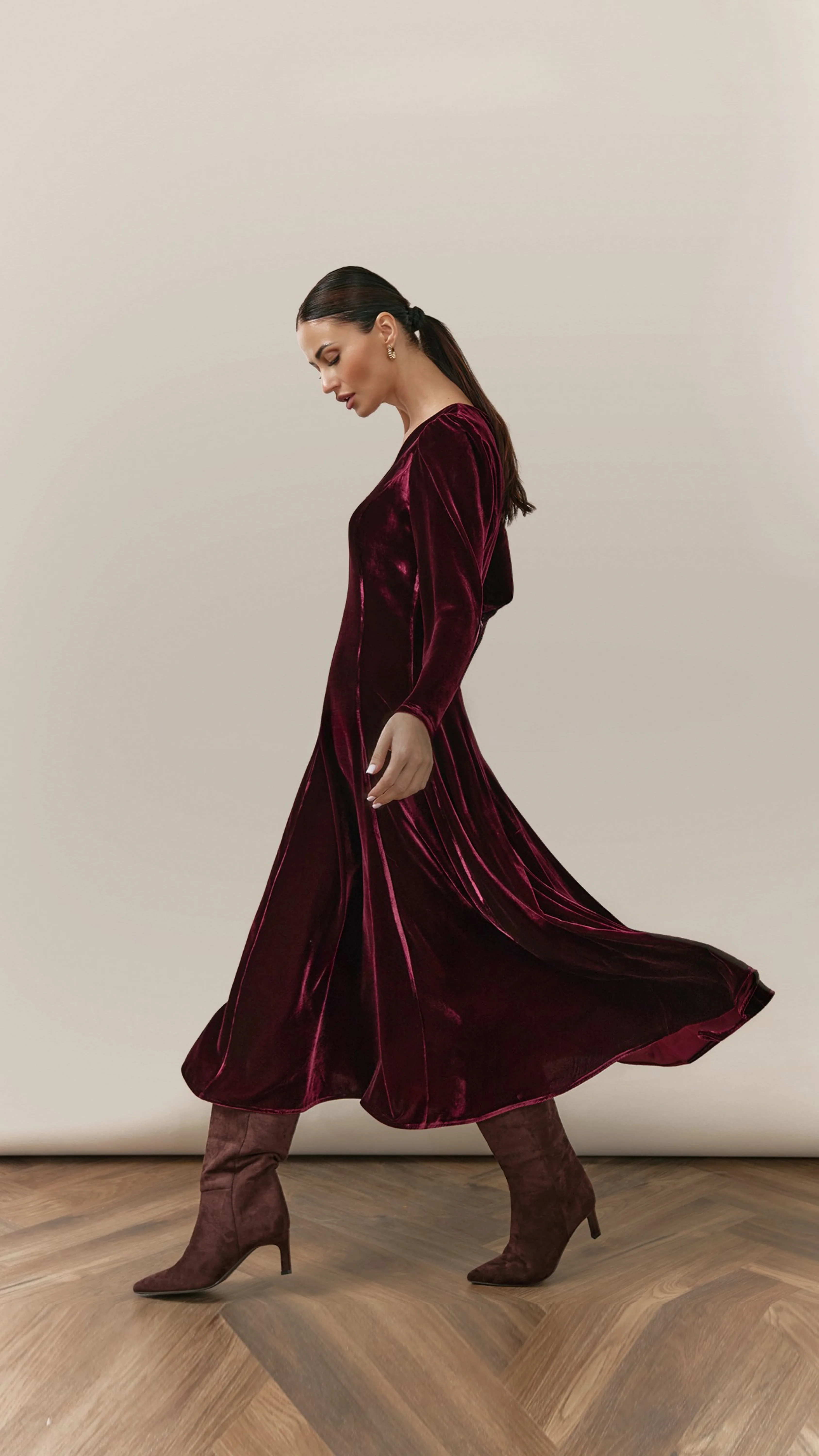

Few markets are changing as fast as the Saudi fashion market. New malls, new events, a younger shopping base, and a growing local design scene are all creating room for brands that understand how people here actually shop.
At the same time, the rules of Saudi fashion brands marketing are different from what works in Europe or the US, and copying a foreign playbook rarely works.

This guide covers what matters most for brands in Riyadh and Jeddah, from how shoppers find you to the mistakes that cost new entrants the most. It also explains how the Vision 2030 fashion industry shift changes the opportunity. If you'd like to see how a specialized team works in this space, fline agency is a useful starting point.
How Do Saudi Shoppers Discover Fashion Brands Today?
Mostly on their phones. Instagram, Snapchat, and TikTok are the main discovery channels, and short video has become the fastest way to introduce a collection. Shoppers see a piece on a creator they trust, check the brand's page, read comments, and often message the brand before buying. Good fashion marketing Jeddah campaigns often use local creators whose followers actually shop in the city.
That habit makes social proof essential in the Saudi fashion market. Real customer photos, honest replies in the comments, and fast responses to direct messages usually do more than polished ads. Search still matters too, especially for shoppers comparing brands, so your website and product pages need to be easy to find and easy to read on mobile. Brands that grasp this early have a real edge in the Saudi fashion market, and effective Saudi fashion brands marketing starts with content built for phones, not repurposed from print or TV.
Is Fashion Marketing Different in Riyadh and Jeddah?
Yes, in tone and in lifestyle, even though both cities share the same national market. Riyadh is the capital and the center of business and government, so audiences often respond to polished, modern, workwear-friendly and event-driven content. Big seasonal events and mall culture shape a lot of shopping behavior there.
Jeddah, on the coast, tends to feel more relaxed and cosmopolitan, with a strong connection to its Hejazi heritage and Red Sea lifestyle. Brands doing fashion marketing Jeddah shoppers connect with often lean into lighter fabrics, resort looks, and creative local references. Smart fashion marketing Jeddah campaigns are built around how people there actually dress and spend time, not copied from Riyadh. The same applies in reverse.
Treat the two cities as separate audiences inside one Saudi fashion market. Test creative in both, then adjust messaging, models, and locations based on what each city responds to. This is where dedicated fashion marketing Jeddah testing pays off, and where Arabic and English fashion content can reflect each city's voice.
See how Services can be adapted by city and audience when a brand covers more than one market.

How Is Vision 2030 Changing the Opportunity for Local Fashion Brands?
Vision 2030, launched in 2016, set out to diversify the economy and grow sectors like tourism, entertainment, and retail. For fashion, that has meant more events, more visitors, more shopping destinations, and more attention on local creativity. The government also set up the Fashion Commission under the Ministry of Culture to support designers and the wider sector.
For brands, the Vision 2030 fashion industry shift creates two opportunities. Local labels have more support and visibility than before, and international brands have a larger, more engaged audience to reach. The Vision 2030 fashion industry also rewards brands that tell a local story, whether through heritage, craftsmanship, or modern Saudi identity.
Brands that plan for this early tend to benefit most in the Saudi fashion market. A strong Vision 2030 fashion industry strategy ties your marketing calendar to the events, seasons, and cultural moments that matter locally.
Do I Need Both Arabic and English Content?
In most cases, yes. Arabic is the main language of the majority of shoppers, and many younger, urban customers are equally comfortable in English. Publishing Arabic and English fashion content lets you reach both groups without making either feel like an afterthought.
A few practical rules help:
Write Arabic copy natively instead of translating word for word.
Match tone to the platform: relaxed on social, clearer and more formal on your website.
Make sure your site supports right-to-left layouts properly.
Keep product names, sizing, and policies consistent in both languages.
Strong Arabic and English fashion content also helps search. Customers look for products in both languages, so your pages should be findable either way. Good Saudi fashion brands marketing treats language as part of the brand, not an add-on.
Should a Local Brand Choose a Local or an International Agency?
It depends on your goals. A local agency usually knows the calendar, the platforms, the creators, and the cultural details that make content feel right. An international agency can bring wider experience, especially if you plan to expand beyond the Kingdom. Either way, the team should show real experience in the Saudi fashion market and explain how it follows the Vision 2030 fashion industry changes.
Many brands choose a hybrid: local expertise for day-to-day execution and an international view for strategy. Whichever route you take, look for real examples in Saudi fashion brands marketing, not just global case studies, and ask how the team handles Ramadan, White Friday, and regional differences.
You can compare approaches by reading about a specialized Fashion Marketing Agency and what to expect from one.

How Do I Adapt an International Brand for the Saudi Market?
Start by listening before localizing. Study how your category is already marketed in the Saudi fashion market, what customers expect on price and delivery, and which styles sell. Then adapt in the areas that matter most:
Product range: include modest options and pieces suited to local weather and occasions.
Language: launch with Arabic and English fashion content from day one.
Calendar: plan around Ramadan, Eid, National Day, and White Friday.
Payments and delivery: support local payment methods, buy-now-pay-later options, and reliable delivery and returns.
Imagery: use visuals and casting that feel respectful and relevant.
Done well, this shows customers you built your offer for the Saudi fashion market, not just translated it. If you plan a nationwide launch, add a dedicated fashion marketing Jeddah push with local creators and events.
Learn more about our approach and team on the About Us page.
What Mistakes Do Brands Make When Entering the Saudi Market?
Several come up again and again:
Literal translation. Word-for-word Arabic often sounds stiff or confusing, so write native Arabic and English fashion content instead.
Ignoring Ramadan. It is one of the biggest shopping periods, and it needs early planning.
Treating the country as one audience. Riyadh and Jeddah behave differently, and a good fashion marketing Jeddah plan won't match a Riyadh one.
Weak delivery and returns. Customers expect convenience, and poor service damages trust quickly.
Picking influencers by follower count. Fit and credibility matter more than reach in Saudi fashion brands marketing.
Most of these mistakes come from rushing into the Saudi fashion market without local research.
The Saudi fashion market rewards brands that are local in tone, clear in positioning, and patient in building trust. Pay attention to differences between cities, invest in Arabic and English fashion content, and connect your plans to the Vision 2030 fashion industry changes that are opening up new audiences. Strong Saudi fashion brands marketing is built step by step, with testing and honest measurement at every stage.
Ready to plan your next move in Riyadh, Jeddah, or both? You can Work With Us to build a strategy around your brand.